
Alteration Agreement in NYC: A Co-op and Condo Owner’s Guide
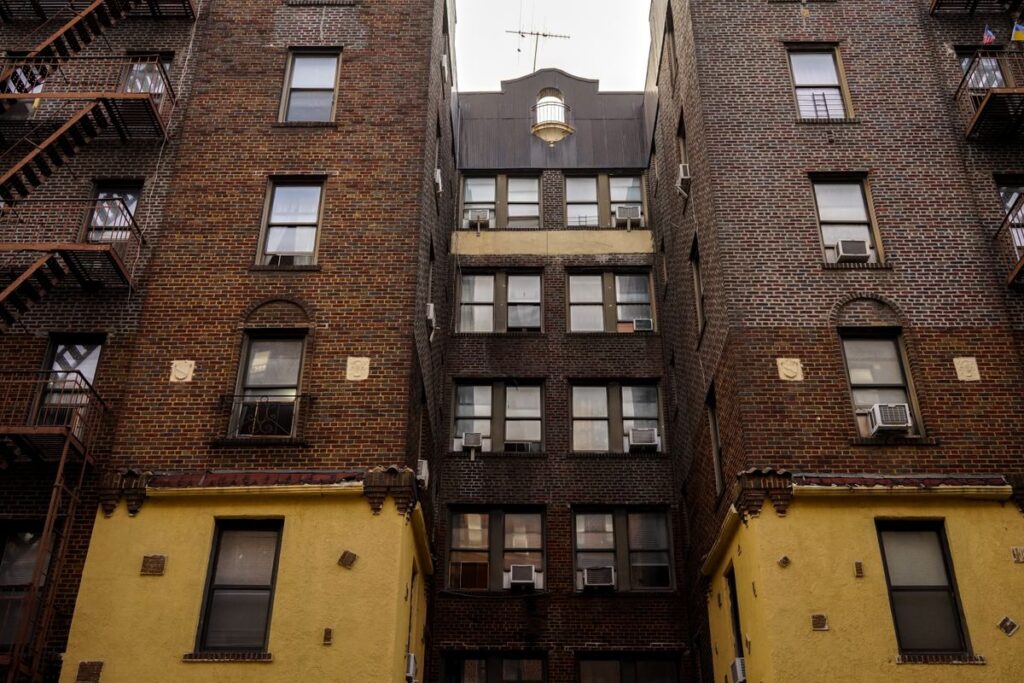
If you own a co-op or condo apartment in New York City, your renovation starts with a document most owners have never read: the alteration agreement. It is the contract between you and your building that sets what you may change, who may do the work, what insurance and deposits are required, and how the job is approved and closed out. This guide explains what is usually in it and how to get through it without delays.
What an alteration agreement is
An alteration agreement is the building’s rulebook for your renovation. Co-op boards and condo boards both use them, through the managing agent. You sign it, your contractor supplies documents under it, and the building approves your plans against it before any work starts.
The terms vary from building to building, and the details matter. Two buildings on the same block can have very different rules on hours, deposits and what may move.
What it usually covers
- Scope and drawings. What you plan to change, often with drawings by an architect or engineer for anything beyond cosmetic work.
- Architect or engineer review. Many buildings have their own architect review the plans, at the owner’s cost.
- Contractor requirements. A licensed contractor, with certificates of liability and workers’ compensation insurance naming the building and managing agent as additional insured, at limits the building sets.
- Deposits and fees. A refundable damage deposit and sometimes processing or review fees.
- Work hours. Usually weekdays only, inside set hours, with quiet periods and holiday restrictions.
- Wet-over-dry. A rule that kitchens and bathrooms may not be placed over a neighbor’s living or sleeping space.
- Shared systems. Any work touching risers, sprinklers or building electrical needs separate approval.
- Timeline and penalties. Some buildings set a completion deadline and charge if it is missed.
- Close-out. Final inspection by the building, sign-offs for any DOB filings, and return of the deposit.
How the approval process usually runs
- Request the alteration agreement and the building’s renovation rules from the managing agent.
- Have your architect prepare drawings, and your contractor prepare scope, schedule, license and insurance certificates.
- Submit the package. The building’s architect reviews it and may send comments.
- Answer comments, receive approval, and file with the DOB if the scope needs it.
- Build within the approved hours and rules, then close out with the building.
Approval can take a few weeks or a few months, depending on the building and how complete the first submission is. The most common delay is a missing or wrong insurance certificate.
How to avoid delays
- Read the agreement before you design. Wet-over-dry and other limits should shape the layout, not overturn it later.
- Choose a contractor who has worked in co-ops and condos and can supply certificates in the building’s exact format.
- Submit a complete package the first time. Boards that meet monthly turn one missing page into a month.
MCG Corp prepares the contractor’s side of the board package as soon as you sign: scope, schedule, license and insurance certificates in the building’s required form. See how we work as a co-op and condo renovation contractor, or read our co-op board package guide.